
Skin Barrier Reset Guide
For a certain kind of reader, skincare advice has become oddly exhausting. The internet promises transformation in bottles measured in millilitres, while the unspoken expectation is constant intervention. More acids. More actives. More urgency. The result, for many, is not radiance but irritation. Skin that once felt stable becomes reactive, tight, flushed, unpredictable. The irony is that this condition is rarely mysterious. It is often self-inflicted, the outcome of enthusiasm outrunning understanding.
The idea of the skin barrier has entered the mainstream lexicon, but clarity has not always followed. Strip away the jargon and the marketing noise and the barrier is simply the outermost function of the skin doing its job. It is protection and containment at once. It keeps harmful elements out and keeps moisture and structural integrity in. When it fails, the effects are immediate and difficult to ignore.
To understand how to restore it, one must first understand what it actually is.
Human skin is composed of three layers. The hypodermis lies deepest, housing fat and connective tissue. Above it sits the dermis, where collagen, elastin, hair follicles, oil glands and nerve endings reside. The epidermis, the outermost layer, is where daily skincare decisions make their mark. Within this epidermis lies the stratum corneum, a compact layer of dead skin cells that migrate upward over roughly a month before shedding naturally. This layer is not decorative. It is defensive.
The skin barrier exists here, formed by skin cells bound together by a lipid matrix composed of ceramides, cholesterol and fatty acids. Think less about glow and more about architecture. These lipids act as mortar between bricks, sealing the surface. On top of this sits the acid mantle, an almost imperceptible acidic film that keeps the skin’s surface pH slightly acidic, usually between 5 and 5.5. This acidity is not incidental. It discourages the growth of harmful bacteria and helps regulate enzymatic activity essential to skin health.
When this system is compromised, the symptoms are consistent across skin tones and types, though not always immediately visible. Redness that feels warm rather than flushed. Tightness that persists after cleansing. Flaking that appears without warning. Burning sensations from products that were once tolerated without issue. In more pigmented skin, the redness may be harder to see, but the discomfort arrives all the same. Listening to the skin becomes as important as looking at it.
The causes are rarely singular. Over-exfoliation is a frequent culprit, as is the enthusiastic layering of retinoids, acids and serums whose purposes are poorly understood. Environmental stressors compound the problem. Pollution, UV exposure, emotional stress and even hot water accelerate lipid breakdown. Once the barrier weakens, moisture escapes more easily and irritants penetrate more deeply. Free radicals enter, triggering oxidative stress that can contribute to collagen degradation and uneven pigmentation.
Recovery does not require innovation. It requires restraint.
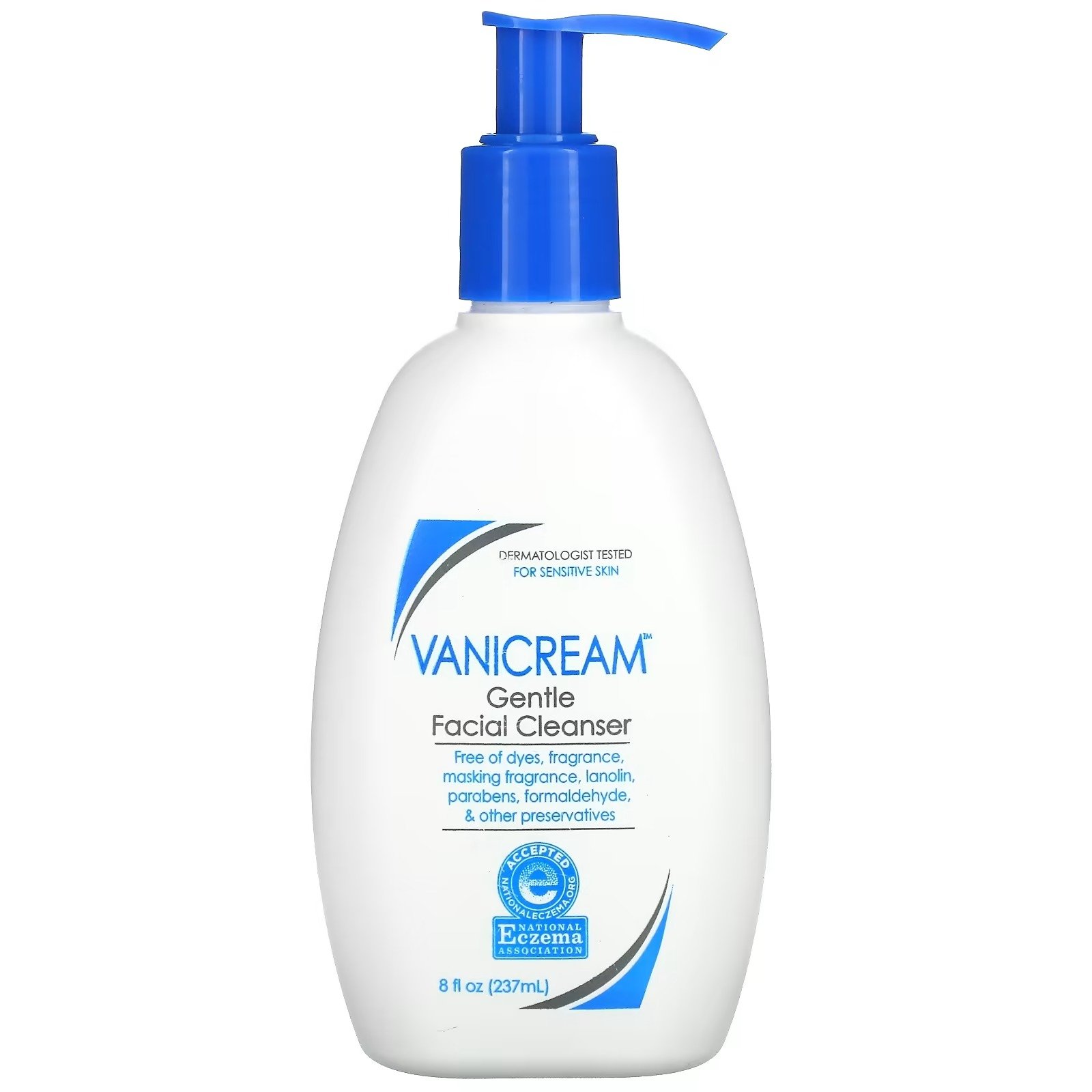
The most effective barrier repair begins not with addition but with subtraction. When skin is inflamed, even products labelled gentle can prolong irritation. Cleansing remains necessary, but only with formulas that are truly non disruptive. Vanicream cleanser and the Dr. Idriss Soft Wash are frequently cited examples because they clean without stripping lipids or disturbing pH. Beyond this, intervention pauses. Sunscreen, typically non negotiable, is temporarily replaced with physical protection such as wide brimmed hats, shade and reduced exposure. This is not ideological. It is practical. Inflamed skin is reactive skin, and preservatives or filters that are otherwise tolerated can provoke unnecessary responses during recovery.

In the early days of repair, occlusion plays a quiet but critical role. Petrolatum based products such as Vaseline create a superficial seal that reduces transepidermal water loss and limits exposure to irritants. Used sparingly on damp skin, it helps stabilise the surface without asking the skin to process anything new. In cases of significant redness and irritation, zinc oxide based diaper rash creams such as Triple Paste have found an unlikely secondary life in adult skincare. Zinc oxide offers anti inflammatory benefits while the petrolatum base reinforces the barrier. Cornstarch within the formula helps manage excess moisture, provided the skin beneath is adequately hydrated.


This phase is not meant to be indulgent or prolonged. It is a reset. After several days, once heat, tightness and discomfort subside, gentler hydration can return. Ingredients with low irritation potential become the focus. Glycerin for water retention. Squalane to support lipid balance. Ceramides to replenish the mortar that holds skin cells together. Colloidal oatmeal for its soothing properties. Products such as Aveeno Calm and Restore are often favoured for this reason. They are not exciting, but they are effective.
Technique matters as much as formulation. Lukewarm water protects the lipid matrix in ways hot water does not. Patting the skin dry avoids mechanical disruption. These details may sound trivial, but barrier repair is cumulative. Small decisions compound.
Once the skin demonstrates stability over time rather than hours, thoughtful reintroduction can begin. This is where many people rush and undo their progress. New products are often tested once and declared safe, only to provoke irritation days later. Consistency reveals more than novelty. Applying a single product repeatedly over consecutive nights allows the skin to show its true response. Mild tingling that fades quickly can be acceptable. Persistent burning, redness or flaking is not.

Hydrating and calming actives come first. Niacinamide, kept at concentrations below 5 percent, supports barrier function and reduces inflammation without excessive stimulation. Azelaic acid can also be beneficial, though it is introduced cautiously due to its potential to irritate compromised skin. Antioxidants follow. Vitamin C plays a role here, not as a brightening shortcut but as a defence against oxidative stress. Traditional ascorbic acid can be too aggressive during recovery, which is why esterified forms such as tetrahexyldecyl ascorbate are often preferred. This form is found in products like the Major Fade Active Seal by Dr. Idriss and delivers antioxidant benefits with a lower risk of irritation.
Only after hydration and antioxidant protection are established do more demanding actives re enter the conversation. Retinoids and exfoliating acids are not excluded indefinitely, but their cadence changes. Frequency is adjusted downward. Observation replaces ambition. At the first sign of sensitivity, the response is not persistence but pause.
Throughout this process, a recurring principle emerges. Less is not deprivation. It is strategy.
Interestingly, this philosophy extends beyond skincare. The environment in which routines are performed matters. Comfort, familiarity and ritual have their own regulatory effects. The long running association between nighttime skincare routines and relaxed, domestic settings is not accidental.
Barrier repair is not glamorous. It does not photograph well. It resists urgency. Yet it is foundational. Healthy skin tolerates treatment, recovers from stress and ages more gracefully not because it is constantly corrected but because it is consistently protected.
In an era obsessed with acceleration, there is something quietly subversive about stopping. About allowing the skin to recalibrate rather than forcing it to comply. The barrier does not need persuasion. It needs conditions in which it can do what it evolved to do.
For those willing to provide that environment, recovery is rarely dramatic, but it is reliable. Within one to two weeks, skin that felt reactive begins to feel resilient again. Texture normalises. Sensitivity fades. Confidence returns, not from transformation but from restoration.







A facelift is not a declaration of war on ageing. It is a decision to reset certain aspects of facial structure at a moment when the balance between skin quality, volume and bone support has shifted enough that topical care alone is no longer sufficient. It is not about freezing time. It is about choosing where to pause.