
Neglecting Neck and Chest

For decades, skincare has been treated as a tightly framed exercise. The face has been the focus, the sole recipient of attention, investment, and optimism. Everything below the jawline has been left to chance. This selective care has consequences. Faces can look well maintained while the neck and chest tell a different story, one shaped by sun exposure, thinner skin, and neglect. The result is not subtle. It is a visual disconnect that becomes more pronounced with time.
The skin of the face, neck, and chest functions as a single cosmetic unit. It ages together, is exposed together, and should be treated together. When it is not, the disparity becomes obvious. The neck and décolletage are not supporting players. They are part of the same canvas, governed by many of the same biological processes but with fewer built in advantages.
What sets the neck and chest apart is not just exposure, though that plays a role. The skin here is thinner than on the face and contains fewer oil glands, particularly on the neck. This means less natural lubrication, a weaker barrier, and lower resilience over time. These areas are also frequently exposed to ultraviolet radiation, often without the protection routinely given to the face. Cumulative sun damage shows up as horizontal lines, crepiness, laxity, redness, and uneven pigmentation. On the sides of the neck in particular, chronic sun exposure can lead to visible discoloration, broken blood vessels, and mottled texture that are difficult to reverse once established.
Prevention matters here more than correction. Once structural damage has set in, addressing it usually requires in office procedures that demand time, money, and careful management. The most effective strategy remains protection, applied consistently and without shortcuts. Sunscreen is not an optional add on. It is the foundation. If two finger lengths of sunscreen are used for the face, additional product should be applied to the neck and chest. Clothing can help, but only when it offers real coverage. Lightweight fabrics and open necklines do little to block ultraviolet exposure.
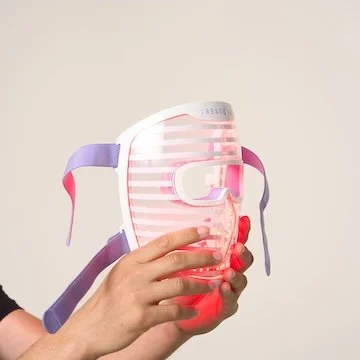
Before turning attention below the jawline, it is worth considering how technology has entered the skincare conversation more broadly. At home devices have become part of many routines, not as replacements for professional care but as adjuncts. Among these, LED masks have gained traction. The iRestore Illuminina face mask is one example that stands out for its flexibility. Rather than offering a single wavelength, it combines red light, blue light, and infrared light across multiple settings. This allows users to tailor sessions to concerns such as fine lines, elasticity, or acne related bacteria.
The mask itself is lightweight, breathable, and designed to sit comfortably on the skin. With 360 LEDs, it delivers a higher density of light than many comparable devices. Clinical testing suggests visible improvements within several weeks when used consistently. As with any active device, caution is warranted for those prone to melasma, as higher intensity light can trigger flare ups. For others, it represents a considered way to support skin health at home, including on the neck when used carefully.
When it comes to topical care for the neck and chest, the familiar ingredients still apply, but they must be handled differently. Retinoids are a case in point. These vitamin A derivatives are well established for improving texture, supporting collagen, and addressing fine lines. On the neck and chest, however, their use requires restraint. The lower density of oil glands means irritation is more likely if products are applied without modification.
One practical approach is to use a retinol eye cream in these areas. Eye formulations are typically designed for sensitive skin and deliver lower concentrations of active ingredients. They offer a way to introduce retinol benefits without overwhelming the skin. Another option is to use a low strength over the counter retinol, around 0.25 to 0.3 percent, layered over a thick moisturizer or an occlusive such as petrolatum. This buffering reduces potency by design, limiting irritation while still offering long term benefit.
Antioxidants deserve more attention below the jawline than they usually receive. Vitamin C remains a cornerstone, whether in its pure ascorbic acid form or in more stable ester derivatives. It helps address oxidative stress from sun exposure and pollution, both of which contribute to visible aging. Niacinamide is another useful option. While some people experience breakouts when using it on the face, the neck and chest often tolerate it better. It supports barrier function and helps even tone over time.
Coenzyme Q10 is less frequently discussed but particularly relevant here. As a lipid soluble antioxidant, it integrates well into the skin’s natural structure. It helps protect collagen from breakdown and supports firmness without placing strain on the barrier. It is also relatively accessible, making it a practical addition rather than a luxury indulgence.

Peptides are among the most compatible ingredients for the neck and chest. Unlike retinoids, they are generally well tolerated and can be used regularly. Certain peptides signal the skin to support collagen and elastin production, improving the appearance of fine lines when used consistently. InnBeauty’s Extreme Cream combines peptides with ceramides, offering both structural support and barrier reinforcement. It is the kind of formulation that suits areas prone to dryness and gradual laxity.
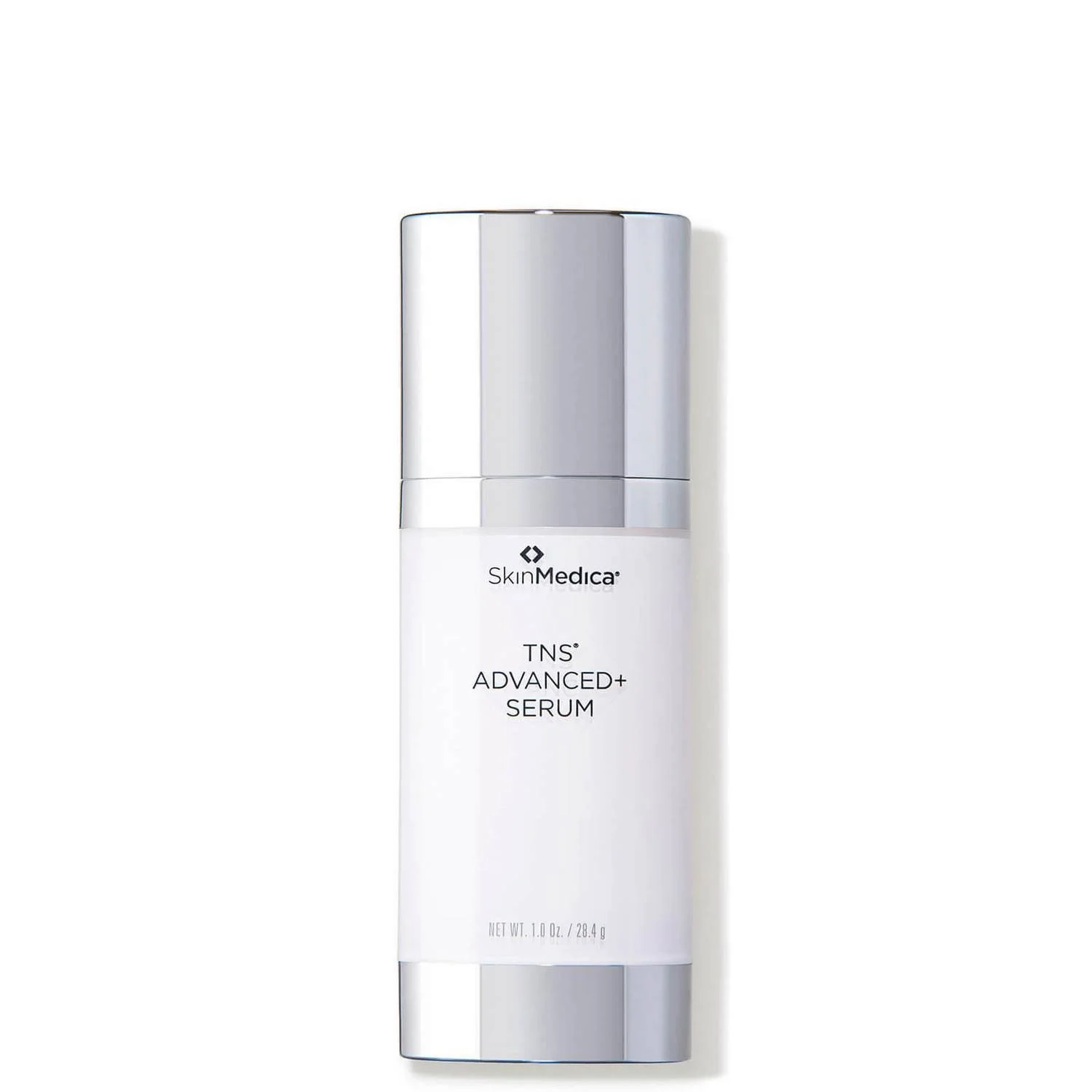
Growth factors occupy a more complex space in skincare. Their larger molecular size raises questions about penetration, and their benefits are often most pronounced when used alongside procedures that create controlled micro injury. After treatments such as microneedling, growth factor serums can support repair and regeneration. Products like SkinMedica’s TNS Advanced Serum or Allies of Skin’s Growth Factor Lifting Serum are often used in this context. For those unable to tolerate retinoids, they can also serve as a longer term option for the neck and chest, though results tend to appear more gradually.

Moisturization becomes increasingly important with age, particularly in areas already predisposed to dryness. As the skin barrier weakens, transepidermal water loss becomes more apparent. Fine lines and crepiness are exaggerated when the skin lacks hydration. Regular use of well formulated moisturizers helps maintain suppleness and reduces the appearance of irritation.
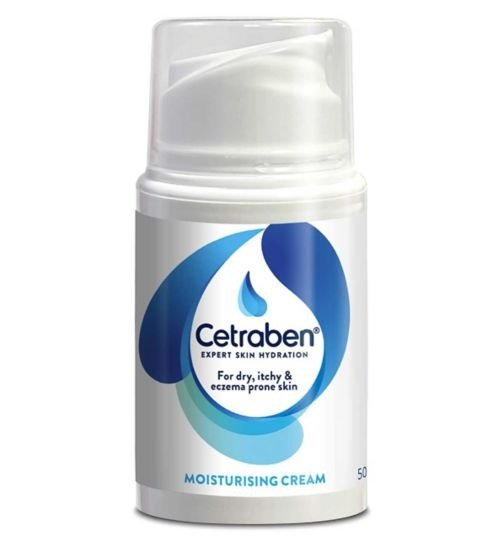
Ingredients that support this process include ceramides, which help repair the barrier, and emollients such as shea butter or squalane, which soften rough texture. Occlusives like white paraffin or petrolatum seal in moisture and are especially useful for very dry, mature skin. This is where products such as Cetraben are often recommended, particularly for necks that have become fragile or prone to irritation.
There is no requirement for an entirely separate routine for the neck and chest. Most face products can be extended downward with a few exceptions. Retinoids remain the main ingredient to approach with caution. Exfoliation, when done gently, can also play a role. Periodic use of glycolic acid masks helps improve texture and reduces buildup that can dull the skin’s appearance. A 15 percent glycolic acid mask, used occasionally and monitored carefully, can support smoothness on the neck and chest without excessive disruption.
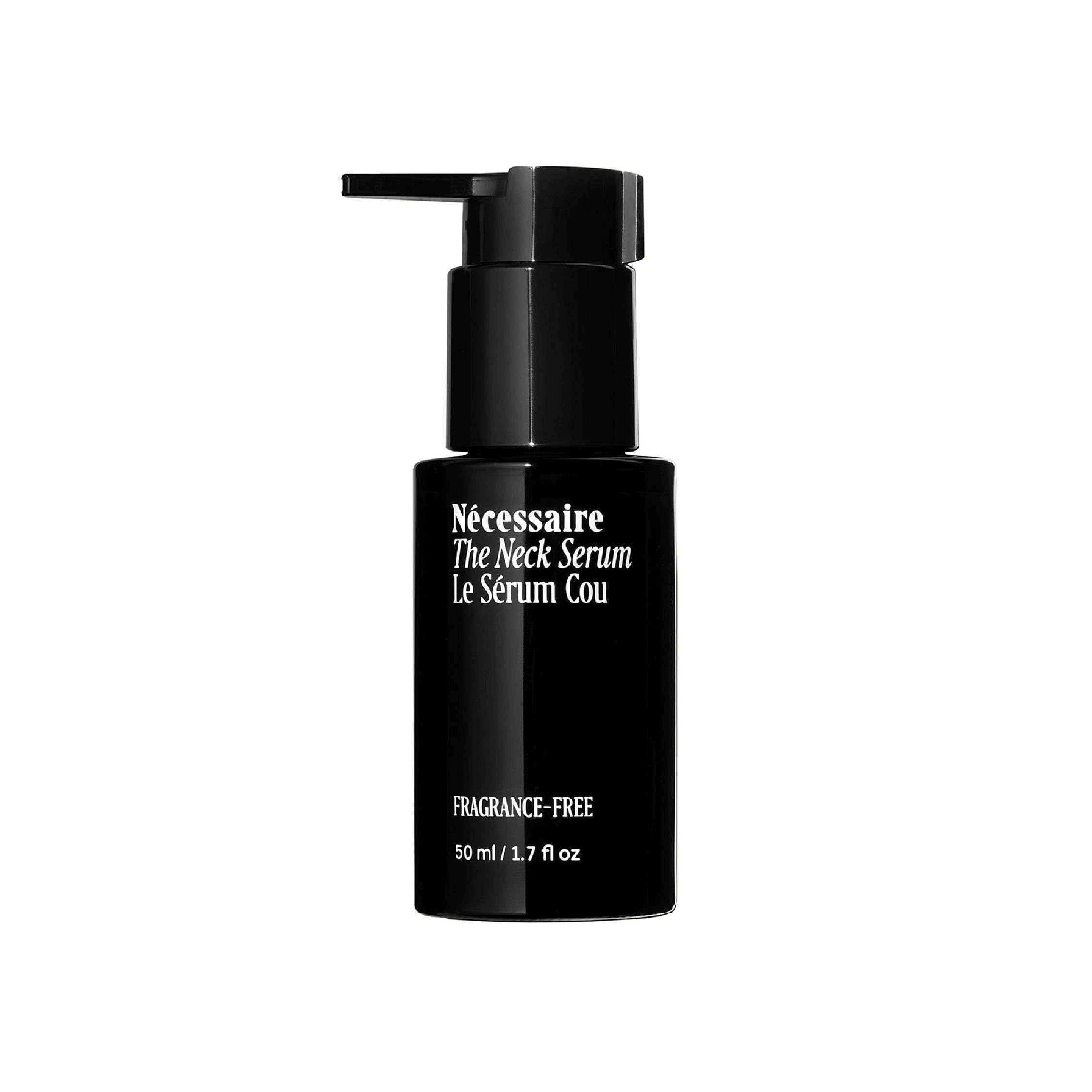
Some brands have developed products specifically for this area. Necessaire’s neck serum is one example that combines multiple peptides at a relatively accessible price point. It is designed for the neck but can be used up to the jawline and even on the lower face, reinforcing the idea that these areas should not be treated in isolation.
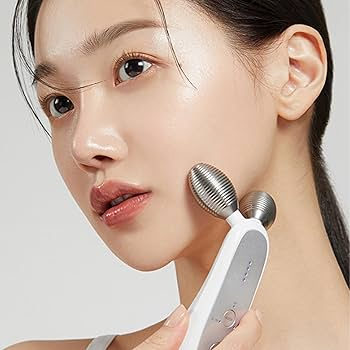
Tools and devices occupy a secondary role. Microcurrent devices such as NuFace or Ziip deliver low level electrical currents intended to stimulate muscles and cellular energy. On the neck, they can produce subtle tightening effects when used consistently over time. Electrical muscle stimulation devices like Medicube’s Derma EMS Shot operate at medium frequencies and target deeper muscular engagement along the jawline and neck. As with microcurrent, frequency of use determines whether results are noticeable.

LED devices can also be applied to the neck, particularly those designed with red and infrared light to support collagen production. iRestore offers a neck specific option that mirrors the technology of its face mask, extending light therapy beyond the traditional boundaries of facial care.
Manual massage tools such as gua sha are often discussed with enthusiasm, though expectations should remain grounded. They can support lymphatic drainage, reducing puffiness and temporary swelling. This can make the skin appear smoother and firmer in the short term. They do not alter the underlying structure of skin or muscle. Used correctly, they complement a routine rather than redefine it.
Professional treatments remain an option for those seeking more pronounced changes. Microneedling at appropriate depths, often around two millimetres, can stimulate collagen production when performed by experienced practitioners. Applying growth factor serums immediately after treatment can enhance results. Platelet rich plasma or fibrin therapies are also used for the neck and chest, though outcomes vary and depend heavily on technique and patient response.
Laser resurfacing, including fractional laser treatments, can address superficial texture concerns. For crepiness and laxity, radiofrequency microneedling may offer longer term support when energy levels and depths are carefully controlled. In all cases, the expertise of the practitioner matters as much as the device itself.
The central point remains simple. The neck and chest are not separate from the face. They are exposed to the same forces and age along the same timeline, often with fewer defenses. Treating them as an afterthought only accelerates visible imbalance. Extending skincare beyond the jawline is not about excess. It is about consistency and proportion.
A routine that considers the full cosmetic unit, from forehead to chest, reflects a more realistic understanding of how skin behaves over time. It prioritizes protection, measured use of active ingredients, and respect for the differences in skin structure. The result is not a promise of reversal or perfection. When face, neck, and chest age together, the effect is cohesive rather than corrective. That, ultimately, is the more sustainable goal.









A facelift is not a declaration of war on ageing. It is a decision to reset certain aspects of facial structure at a moment when the balance between skin quality, volume and bone support has shifted enough that topical care alone is no longer sufficient. It is not about freezing time. It is about choosing where to pause.