
The Hydrafacial Explained
Walk into almost any modern dermatology clinic or high-end facial room and one name appears with striking regularity. The Hydrafacial has become one of the most requested skin treatments of the past decade, occupying a space between the traditional spa facial and more invasive in-clinic procedures. Its popularity is not driven by novelty. Rather, it reflects a broader shift in how people approach skincare: results-oriented, low-downtime, and carefully calibrated to individual skin needs.
Despite its ubiquity, confusion remains. Is a Hydrafacial simply a glorified facial with a slick machine? Is it worth the price? Who should consider one, and who should not? The answers lie in understanding what the treatment actually does, and just as importantly, what it does not promise.
At its core, the Hydrafacial is a form of hydrodermabrasion. Unlike traditional microdermabrasion, which relies on abrasive crystals or diamond tips to buff away surface skin cells, this approach uses water, suction, and chemical exfoliants in tandem. The result is a treatment that focuses on cleansing, exfoliating, and infusing the skin with targeted ingredients while minimizing irritation.
One aesthetician described it memorably as a carpet cleaner for the face. It is not an image that flatters, but it is accurate. The device simultaneously loosens debris within the pores and vacuums it away, all while delivering active ingredients to freshly exfoliated skin. That dual action explains much of its appeal.

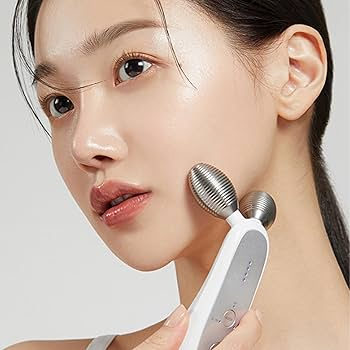
A gentler way to clear the pores
For many people, the most anxiety-inducing part of a facial is extractions. Manual extractions involve pressure and manipulation of the pores, often leaving skin red, sore, and occasionally bruised. In rare cases, aggressive extractions can lead to scarring. While skilled practitioners can minimize these risks, the process itself is inherently physical.
Hydrafacial technology approaches extraction differently. Suction replaces squeezing. The strength of that suction can be adjusted depending on skin thickness, sensitivity, and location. Delicate areas such as around the eyes require a lighter touch, while oilier regions can tolerate more intensity. This flexibility is one of the treatment’s strengths. It allows practitioners to tailor the experience to the individual rather than applying a fixed protocol to every face.
The extraction process is also oddly transparent. Everything that is removed from the pores collects in a small chamber of cloudy liquid that can be inspected at the end of the session. It is equal parts satisfying and unsettling, a visual reminder of what the skin quietly accumulates.
Chemical exfoliation without the drama
Another defining feature of the Hydrafacial is its use of acids. Chemical exfoliation has long been a cornerstone of effective skincare, but it carries a reputation for redness, peeling, and downtime. This treatment positions itself between at-home exfoliating products and in-clinic chemical peels.
The exfoliation phase begins with a lactic-acid-based solution designed to soften sebum and loosen dead skin cells. This prepares the skin for the introduction of a blend containing glycolic acid and salicylic acid. These acids serve distinct roles. Glycolic acid works primarily on the surface, breaking down the bonds between dead skin cells and improving brightness. Salicylic acid penetrates deeper into the pores, dissolving oil and debris.
Different concentrations are available, ranging from relatively mild formulations to significantly stronger ones. Higher concentrations are generally reserved for skin that is accustomed to exfoliation and does not react easily. The objective is not to provoke peeling or inflammation but to achieve meaningful resurfacing without triggering recovery mode.
For those who have considered a chemical peel but hesitate at the prospect of days spent shedding skin, this approach offers a compelling alternative. The skin is exfoliated thoroughly yet remains presentable enough to return to daily life immediately afterward.
Customization as standard practice
One reason the Hydrafacial has endured is its modular nature. Beyond the core cleansing and extraction process, practitioners can incorporate booster serums that address specific concerns.
Hydration is a common focus, particularly for skin that feels dry or tight after exfoliation. The Dermal Repair booster, for example, is designed to reinforce moisture levels and support barrier function. Other boosters emphasize peptides and growth factors for those seeking a more age-focused treatment. Brightening formulas typically feature ingredients such as vitamin C, alpha arbutin, and bearberry extract, chosen for their ability to improve tone and surface luminosity.
These additions are optional, but they significantly influence the overall experience. A standard Hydrafacial delivers solid results on its own. A thoughtfully chosen booster makes the treatment feel tailored rather than generic, aligning it more closely with clinical skincare than spa indulgence.
Managing inflammation and sensitivity
Concerns about redness are common, especially among people with sensitive skin or conditions such as rosacea. Combining mechanical exfoliation with acids can sound like a recipe for irritation. In practice, many clinics address this proactively.
LED red light therapy is often incorporated toward the end of the session. Red light is widely used for its calming effect on inflammation and its role in supporting collagen activity. Beyond the physiological benefits, the experience itself is notably soothing. Patients often report that this phase shifts the treatment from clinical to restorative, both mentally and physically.
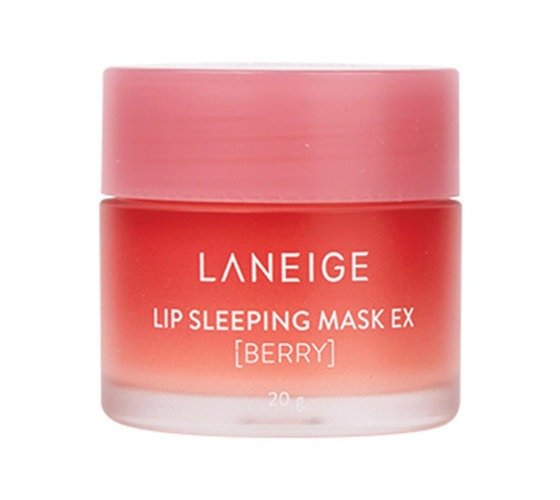
The final stage of the Hydrafacial focuses on infusion and protection. Antioxidants and peptides are delivered to the skin, capitalizing on the increased permeability that follows exfoliation. Sunscreen is applied before the patient leaves, an essential step given the skin’s temporarily heightened sensitivity to ultraviolet exposure. Lip care is not overlooked either. Many practitioners finish with the Laneige Lip Sleeping Mask, a familiar staple that seals in moisture and restores comfort.
Who should think twice
Despite its reputation as a universally safe treatment, the Hydrafacial is not appropriate for everyone at all times. Active, moderate to severe inflammation is a clear contraindication. This includes uncontrolled acne, severe rosacea flares, sunburn, or active cold sores. In these situations, the priority should be calming the skin and restoring barrier function before introducing exfoliation.
Certain medical considerations also warrant disclosure. People taking blood thinners such as aspirin or anticoagulants should inform their practitioner, as suction can occasionally cause superficial bruising if not adjusted appropriately. Those with shellfish allergies that manifest as skin reactions should mention this as well, since some formulations contain glucosamine, which can cross-react in rare cases.
LED light therapy may be skipped for individuals with seizure disorders, as flashing or bright lights can be triggering for some patients.
Pregnancy often raises questions. While manufacturers may stop short of issuing blanket endorsements, many clinicians are comfortable offering Hydrafacials to pregnant patients, provided appropriate precautions are taken. With injectables, lasers, and certain medications off the table during pregnancy, this treatment can serve as a reliable way to maintain skin health during a period of significant hormonal change.
Timing also matters when combining treatments. After injectable procedures such as botulinum toxin or dermal fillers, a short waiting period is typically advised before scheduling a Hydrafacial. The reverse sequence is more flexible. Many clinics routinely perform a Hydrafacial immediately before injectables, taking advantage of freshly cleansed skin.
Cost, frequency, and expectations
Pricing varies by region and by the complexity of the treatment but typically falls between $199 and $300. Sessions last anywhere from 30 to 60 minutes. Monthly treatments are often recommended, though this is more guideline than rule. Skin goals, budget, and lifestyle all play a role in determining frequency.
Perhaps the most important consideration is expectation management. A Hydrafacial is results-driven. It is not designed to replace the languid pleasure of a massage-heavy facial. There is relaxation built into the environment, but the emphasis is on efficacy. The payoff is immediate glow, visible decongestion, and skin that often continues to improve over the days that follow.
That lingering benefit surprises many first-time patients. Rather than peaking the moment one leaves the clinic, the skin often looks better two or three days later as hydration stabilizes and inflammation remains low.
So, is it worth it
The question of value is inherently personal. Skincare, like any form of self-care, sits at the intersection of budget, priorities, and expectations. What can be said with confidence is that the Hydrafacial occupies a clearly defined niche. It offers a controlled, customizable, low-downtime approach to exfoliation and pore care that few other treatments match.
For those seeking dramatic transformation, it may feel understated. For those looking for consistency, maintenance, and visible clarity without disruption, it makes a compelling case. In an era where skincare marketing often promises miracles, the Hydrafacial’s appeal lies in its restraint. It does not claim to change your face. It simply cleans it thoroughly, supports it intelligently, and leaves it in better condition than before.
That, for many, is reason enough.






A facelift is not a declaration of war on ageing. It is a decision to reset certain aspects of facial structure at a moment when the balance between skin quality, volume and bone support has shifted enough that topical care alone is no longer sufficient. It is not about freezing time. It is about choosing where to pause.