
Latest in Skincare: Explore Our Recent Articles
Dive into the ever-evolving world of skincare by perusing the latest tips, trends, and expert advice to keep your skin glowing and healthy.

Strip away the jargon and the marketing noise and the barrier is simply the outermost function of the skin doing its job. It is protection and containment at once. It keeps harmful elements out and keeps moisture and structural integrity in. When it fails, the effects are immediate and difficult to ignore.
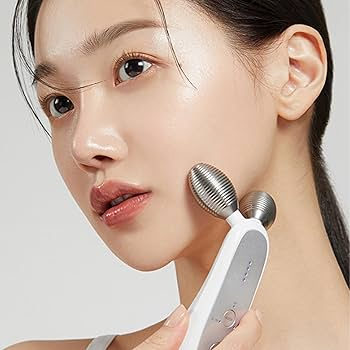
The skin of the face, neck, and chest functions as a single cosmetic unit. It ages together, is exposed together, and should be treated together. When it is not, the disparity becomes obvious.

Is a Hydrafacial simply a glorified facial with a slick machine? Is it worth the price? Who should consider one, and who should not? The answers lie in understanding what the treatment actually does, and just as importantly, what it does not promise.

Exfoliation is neither a miracle nor a menace. It is a tool, useful when applied with intent and restraint, damaging when misunderstood or overused. To understand where it fits, it helps to step away from trends and return to fundamentals: what exfoliation actually does, why skin needs it and how different acids behave once they touch the face.

People want to know what Botox actually is, what it can do, and as importantly, what it cannot.

For anyone refining their routine or looking to strengthen their sun protection habits, adding a reliable lip SPF is a small but meaningful step. It supports comfort, aesthetics, and long term health with minimal effort. It also reflects a growing awareness that the details of skincare matter just as much as the broader gestures.

There is a moment you realise you have misjudged the sun. The warmth that felt pleasant at midday turns sharper, more insistent, and then unmistakably painful hours later. Once it happens, the priority is simple: recover intelligently, understand what has occurred and return to daily life with a better grasp of how to prevent it from happening again.

Shifting from the unstructured rhythm of summer to the more defined tempo of autumn is an opportunity to return to those fundamentals and build a routine that offers long term results rather than short lived novelty.

This guide breaks down the peptide landscape, explains where each type fits in skin physiology, and evaluates several current products on the market that use these ingredients in thoughtful, purposeful ways.

Skincare doesn’t have to be expensive to be effective. In fact, several drugstore products offer clinically reliable results at a fraction of the cost of luxury lines. From acne treatments to body moisturizers and sun protection, these accessible options are practical, effective, and thoughtfully formulated for everyday use.

The world of cosmetic treatments often presents itself with a seductive promise of instant transformation. Yet the reality, as with most things done with taste and discernment, is that lasting beauty rarely arrives in a single, theatrical gesture.

Azelaic acid requires a mindset that values slow, steady progress. Unlike the thrill of instant exfoliation, its benefits accrue quietly. Redness softens. Pigmentation gradually fades. Skin texture improves subtly. The changes are cumulative rather than dramatic. This is an ingredient for those who prefer timeless classics over seasonal trends, the ones who know that patience often yields the most lasting results.

We have entered what might be called the undetectable era, a cultural moment where the most sought-after work is the kind you are never meant to notice. The results are everywhere, though they hide in plain sight.

In an era when mineral filters have become fashionable and chemical sunscreens vilified, the promise of a silky, invisible shield is the dream. Yet the reality, as many have noticed while applying zinc-based creams in their bathroom mirrors, is more complicated.

Acne is no longer a teenage inconvenience, it’s a chronic, inflammatory condition affecting skin at every age. In 2025, the most effective treatments aren’t harsh scrubs or trendy extracts, but science-backed tools that work gently and precisely: LED light masks calibrated by wavelength, hydrocolloid patches designed like skincare jewellery, and microdosed medications that balance rather than blitz the skin. The future of acne care is slow, smart, and personal.

How the newest sunscreens are rethinking what it means to be sun-safe, from Bondi Beach to Brooklyn rooftops

Growth factors act as gentle coaches, guiding cells to repair, regenerate, and regain their youthful resilience. Unlike the flashier promises of stem cells or the emerging intrigue of exosomes, growth factors offer a proven, science-backed path to firmer, smoother skin. Their strength lies not in instant transformation but in patient, gradual improvement, working quietly at the skin’s surface to stimulate collagen and elastin production. Understanding their origins, whether human-derived, bio-engineered, or plant-based, is key to their true potential.

The instinct is to act. To click, to smear, to chill a spoon and hold it to the skin. Yet the truth beneath tired eyes is rarely so simple. The shadow may be pigment, passed down like heirloom china. Or it may be blood pooling beneath delicate skin, visible only in the softest morning light. Sometimes, it’s architecture. The contours of bone and fat, unchanged by creams or caffeine, casting a darkness that no serum can lift. And sometimes, it’s just life. A week of broken sleep, too much salt, too much wine, and a screen lit too late.

In the world of cosmetic procedures, convenience often masks complexity. This is a reminder that in the pursuit of beauty, knowledge and caution must walk hand in hand.

There is a certain quiet satisfaction in getting it right. The evening wind-down, the soft light at the bathroom mirror, the deliberate motion of fingertips across cheekbones. This is where skincare leaves the realm of the superficial and becomes something closer to ritual. And few ingredients demand as much respect, or offer as much reward, as retinol.

In a converted barn tucked into the English countryside, the morning light catches on brushed aluminium bottles: refillable, weighty in the hand, and perfumed with a quiet complexity. This is Commune, a haircare line shaped not in a boardroom but in the long shadows of West Coast hikes and quiet cups of tea. Its founders, guided by a fondness for nature and good design, have distilled that sensibility into a shampoo that smells faintly of cypress and grapefruit, an olfactory handshake with the wild.

The scent of freshly cut grass is not simply a seasonal marker. It is a memory trigger, a quiet luxury, a moment of pause. Few fragrances manage to conjure both nostalgia and freshness with such clarity. In perfumery, this note is both technical and poetic. Composed using molecules like cis-3-hexenol, it replicates the green rupture that occurs when a blade is torn. But beyond the chemistry lies something more tender: the sensation of spring returning.

There’s something quietly radical about taking time in the evening, especially in the bathroom. A space often overlooked in stories of home life, it is here, under soft, flattering light, that intimate rituals unfold. The atmosphere is calm and purposeful. On the vanity, a collection of carefully chosen bottles stands waiting, each with a distinct role in a long-cultivated routine focused on restoring balance and brightness to the skin.

Under the unforgiving clarity of midday light, the scalp begins to tell a story one might prefer to ignore. A widening part, a translucent hairline, the quiet betrayal of twenty strands too many left behind on a pillowcase. These signs, once dismissed as seasonal or hormonal, settle into something more permanent, and far more personal.

Glycolic acid has long been the unsung hero of skincare: a backstage worker with first-row results. Extracted originally from sugarcane, its appeal lies not in drama, but in quiet efficiency. It doesn’t tingle for attention or promise miracles. Instead, it slips beneath the skin’s surface, loosening the dull, dead layers and coaxing fresh cells into the light.

The truth is this: not all acne is created equal. Nor are the marks it leaves behind: brown speckles of post-inflammatory pigmentation, lingering redness, or the occasional textural reminder of a battle lost. And while the dialogue around skin has grown more nuanced (thankfully ditching the shame of past decades), acne remains, at its core, a medical condition. One that deserves care, not just coverage.

Each product plays a role, not in a performance of perfection, but in a quiet commitment to feeling well, looking rested, and smelling faintly of eucalyptus and resolve. Understated yet purposeful, this is hygiene not as habit but as care. The kind that signals readiness for the day, and a small but certain control over its tempo.

As enamel thins and the underlying dentin begins to show through, the smile, once luminous, can take on a tired hue. It's a shift that speaks volumes—not just about biology, but about how we present ourselves to the world.

A softly lit bathroom, a quiet late-night glow, and the reassuring scent of oat, glycerin, and warm shea. It’s not aggressive. It’s not hurried. It’s about setting a tone: smooth, unflustered, and quietly radiant.
A facelift is not a declaration of war on ageing. It is a decision to reset certain aspects of facial structure at a moment when the balance between skin quality, volume and bone support has shifted enough that topical care alone is no longer sufficient. It is not about freezing time. It is about choosing where to pause.