
Making Sense of Peptides
Peptides appear everywhere in the skincare world. They are referenced in serums, moisturizers, eye creams, and now even in foundations and lip products. Their presence is usually framed in broad terms, suggesting that peptides are the essential building blocks of youthful, firm, bright skin. Despite this, most consumers are not told what kind of peptides they are getting or what those peptides are intended to do. The ingredient has become a marketing term rather than a meaningful indicator of function.
In reality, peptides are not interchangeable. Different classes target different processes in the skin and work through different mechanisms. Understanding these families helps clarify why certain peptide products are effective while others rely mostly on well-designed packaging and persuasive language.
This guide breaks down the peptide landscape, explains where each type fits in skin physiology, and evaluates several current products on the market that use these ingredients in thoughtful, purposeful ways.

What Peptides Are and What They Actually Do
Peptides are short chains of amino acids. Amino acids themselves are the structural units that form proteins throughout the body. These larger proteins include collagen, elastin, and keratin, all essential for firmness, elasticity, and resilience.
Applying a peptide serum is not equivalent to applying collagen or elastin to the skin. Peptides function as messengers. They communicate with skin cells, instructing them to perform specific tasks. Those tasks range from producing more collagen to reducing inflammation or minimizing the look of expression lines. Understanding the message a peptide delivers is key to understanding the real benefit it offers.
Peptides can signal production, inhibit breakdown, deliver essential trace minerals, brighten, support the skin barrier, or influence the chemical reactions that drive muscle movement in the face. Because the mechanisms vary widely, selecting a product simply because it contains peptides is not a useful strategy. The question is always which peptides and why.
The Five Main Types of Peptides
Peptides in topical skincare fall into several functional families. Each one carries a different message.
1. Signal Peptides
Signal peptides instruct fibroblasts to produce more collagen and elastin. They support firmness and improve the overall bounce of the skin. These are the peptides most commonly associated with anti-aging claims.
Well-known examples include Matrixyl and palmitoyl pentapeptide. These have been used for years and have a strong reputation for stability and performance. Signal peptides form the backbone of many firming serums and moisturizers because they target the deeper structures responsible for skin density.
2. Carrier Peptides
Carrier peptides transport essential minerals that the skin uses for repair, such as copper or manganese. Copper peptides, in particular, have been associated with improved healing, enhanced elasticity, and better structural support. These peptides are easily identifiable on ingredient lists because the name of the metal appears in the peptide name.
3. Enzyme Inhibiting Peptides
These peptides slow the breakdown of collagen and elastin. While signal peptides encourage the skin to build more, enzyme inhibiting peptides help preserve existing structural proteins. Tripeptide 1 is one frequently used example.
4. Neurotransmitter Inhibiting Peptides
Well known as the topical category sometimes likened to Botox, neurotransmitter inhibiting peptides reduce the intensity of muscle movement in targeted areas. The effect is modest but visible for expression lines, particularly around the eyes and forehead. The best-known example is acetyl hexapeptide 8, also called Argireline. It does not freeze the face but softens dynamic wrinkles and is often used for special events or short-term smoothing.
5. Specialty Peptides
A broad category that includes brightening peptides such as hexapeptide 2. These regulate melanin production and support a more even skin tone. Other specialty peptides support barrier strength or hydration.
By categorizing peptides this way, it becomes clear that not all formulas aim to do the same thing. A peptide that brightens will not firm. A peptide that influences muscle movement will not address barrier function. Clarity on the type allows clarity on the expected outcome.
Which Peptides Live Up to Their Reputation
Some peptides consistently deliver meaningful benefits because their mechanisms are well understood and their performance is supported by both research and practical use.
Signal peptides like Matrixyl support firmness and density. Their longevity on the market is a testament to their usefulness. They are not dramatic but contribute to smoother texture and improved resilience over time.
Copper peptides fall into the carrier category. They assist repair processes and can improve the look of skin that is recovering from stress or dehydration. Their ability to support several internal pathways makes them valuable in formulas designed for overall skin health rather than one single targeted benefit.
Acetyl hexapeptide 8 is well suited for people who want a subtle reduction in expression lines. It is not comparable to injectables, but for someone seeking movement softening without needles, it offers a practical option. It is also useful before events where a smoother look is desired in the short term.
Brightening peptides, including hexapeptide 2, are effective when paired with supporting ingredients like vitamin C. They regulate melanin at a cellular level and are appropriate for people aiming for a more even tone.
The peptides that tend to be overhyped are the generic blends presented without explanation. When a product claims to include peptides but does not specify which ones, there is no way to determine whether the formula targets firmness, tone, texture, or muscle movement. The value of peptides always lies in specificity, not generality.
Peptide Products at Sephora
Several current launches use peptide technology in ways that align clearly with their stated purpose. These formulations illustrate how different peptide families translate into real-world products.
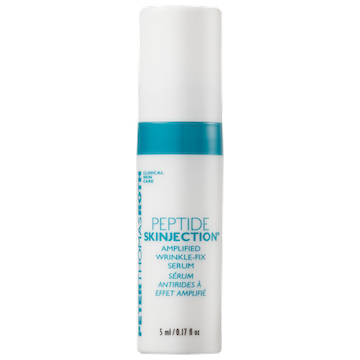
Peter Thomas Roth Peptide Wrinkle Fix Serum
This serum combines Matrixyl with Argireline. The pairing offers both firming and smoothing. Matrixyl encourages the production of collagen, while Argireline reduces the impact of expression lines by softening muscle movement. The dual approach makes it well suited for people concerned with texture and early signs of dynamic wrinkles.
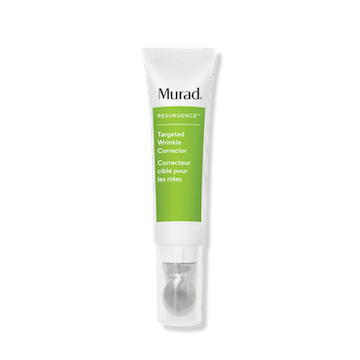
Murad Targeted Wrinkle Corrector
This product is centered on Argireline, focusing on the temporary relaxation of expression lines. It is formulated for direct application to areas where fine lines appear from repeated movement. The intent is not full-face anti-aging but instead precise, targeted smoothing.
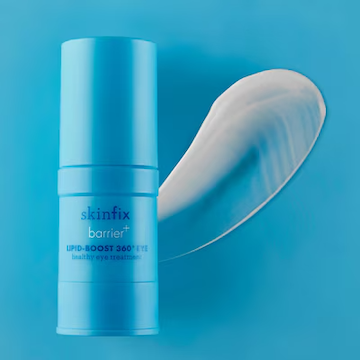
Skinfix Triple Lipid Brightening Eye Cream and Triple Lipid Brightening Cream
Skinfix uses peptides alongside barrier-supporting lipids. The formulations combine brightening peptides with ingredients that maintain hydration and reinforce the skin barrier. The result is a line that supports both tone and comfort, especially in delicate areas like the eye contour.
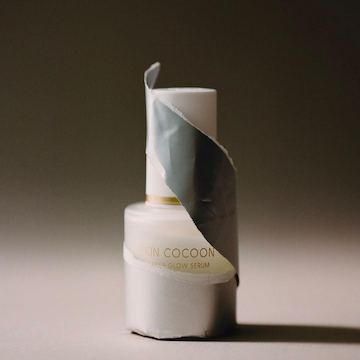
Iris and Romeo Skin Cocoon Barrier Repair Glow Serum
This serum includes tetrapeptide 2. The goal is to improve radiance and support a plump, hydrated look. The peptide works within a formula designed for daytime wear, adding glow without heaviness.
Active Seal Vitamin C Moisturizer with Hexapeptide 2

A moisturizer that integrates vitamin C with hexapeptide 2. The peptide contributes to tone evenness and is mild enough for daily use. The pairing with vitamin C broadens its brightening profile, supporting clarity and uniformity.
These products highlight the importance of understanding which peptides are being used. When paired with the right supporting ingredients, peptides can enhance firmness, luminosity, or smoothness in predictable ways.
Peptide Products Available on Amazon
Consumers interested in broader accessibility have also identified several peptide-forward products sold on Amazon that rely on established ingredients rather than vague claims.
Thera 35 Percent Dream Peptide Blend
This formula includes three versions of Matrixyl. The high concentration is designed to address fine lines and support collagen production. Its focus is on long-term firmness rather than immediate smoothing or brightening.
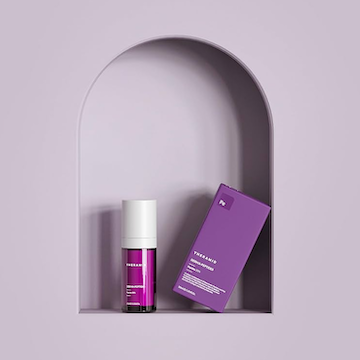

The Ordinary Argireline Solution 10 Percent
This is a direct, affordable option for those who want to try Argireline in a straightforward formula. The concentration is high enough to allow visible softening of expression lines on the forehead or around the eyes. The simplicity of the formulation keeps the focus on the peptide’s intended effect.
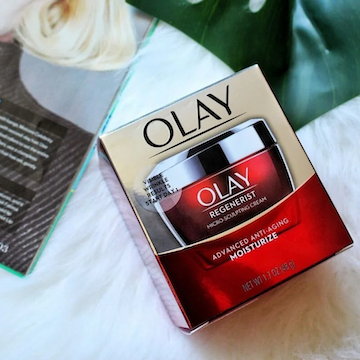
Olay Regenerist Microsculpting Cream
A drugstore option that uses Matrixyl to encourage collagen production and provide a plumping effect. The cream is known for its sensible formulation and accessible price point, demonstrating that peptide technology does not always require luxury positioning.
How Consumers Can Approach Peptide Skincare
Peptides are not shortcuts or overnight solutions. Their value lies in long-term consistency, not intensity. They work best when incorporated into routines that are already grounded in the essentials: cleansing, moisturizing, sun protection, and targeted active ingredients.
The selection of a peptide product should be guided by specific goals. If the focus is firmness, signal peptides such as Matrixyl are appropriate. If the concern is uneven tone, brightening peptides like hexapeptide 2 are suitable. For expression lines, Argireline is the logical choice. For repair, copper peptides can be helpful.
The formulation around the peptide matters as much as the peptide itself. Hydrators, lipids, antioxidants, and soothing agents all determine whether a peptide can perform effectively. A product that lists peptides without context is not necessarily poor, but it offers little information about the expected result.
Peptides succeed when they support a broader, coherent formulation strategy. They are meant to partner with other ingredients, not carry the entire burden of performance alone.
A Clearer Way to Evaluate Peptide Products
The most useful approach remains simple: know the function, know the family, know the intention. This makes it easier to select formulas that align with your personal goals and to avoid products that rely on general claims rather than specific results.
Peptides are not miracle ingredients. They are tools. When chosen thoughtfully and used consistently, they contribute to firmer, brighter, smoother skin. Their impact is steady, cumulative, and reliable.










A facelift is not a declaration of war on ageing. It is a decision to reset certain aspects of facial structure at a moment when the balance between skin quality, volume and bone support has shifted enough that topical care alone is no longer sufficient. It is not about freezing time. It is about choosing where to pause.