
A Reset for the Season
High summer has a way of creating the illusion of progress. Long days, late nights, and a hint of freedom often make us feel lighter and more luminous. Yet by the time September arrives, many of us face an uncomfortable truth. Whatever glow appeared in June has dulled, sunscreen reapplications have left residue on the surface of the skin, and renewed heat has contributed to congestion and uneven tone. The season offers pleasure, but skin is often left behind.
The idea of a reset is not new, but it feels particularly relevant as cultural nostalgia swells once again. Social media is filled with revived beauty rituals that last peaked a decade ago, including the reappearance of jade rollers and the return of familiar myths. Claims that pores can shrink or that retinols thin the skin have made their way back into collective conversation.
Yet beneath the noise, there is something steady. The fundamentals of caring for skin have not changed. Trends come and go, but daily habits remain the determining factor. Shifting from the unstructured rhythm of summer to the more defined tempo of autumn is an opportunity to return to those fundamentals and build a routine that offers long term results rather than short lived novelty.


A practical reset begins not with new technology or indulgent treatments but with the most overlooked task in any routine. Cleansing. During summer, evenings stretch longer, routines loosen, and more nights pass without the simple act of washing away sunscreen, makeup, sweat, and city dust. A consistent cleansing ritual is the structural base upon which the rest of a routine depends. If makeup or sunscreen has been worn during the day, a double cleanse ensures that the surface of the skin is properly cleared. An oil cleanser followed by a gel cleanser offers an efficient sequence, but any preferred cleanser can be used twice except for micellar water, which should always be followed by a traditional cleanser.
Technique matters. Cleansers should be massaged into the skin for thirty to sixty seconds before rinsing with lukewarm water. Beyond this, a few hygienic habits strengthen the process. Brushing teeth first, washing hands thoroughly before touching the face, and using a fresh facial towel each night limit unnecessary irritation. Changing pillowcases frequently removes residual oils and impurities from the space where the skin rests for hours. These are small adjustments, but they create the conditions for healthier skin.
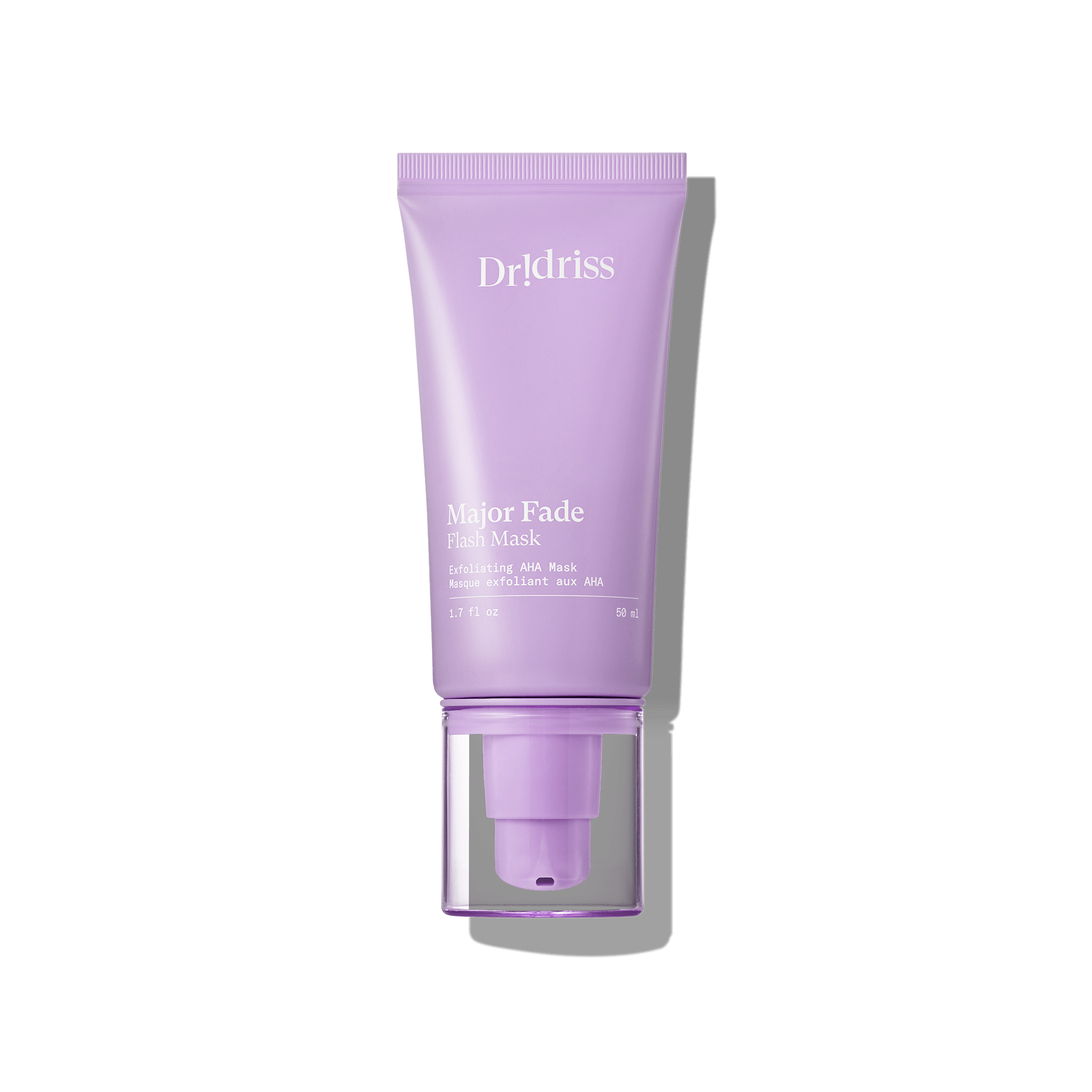
Cleansing alone cannot solve issues that emerge after a season of sun exposure. Dullness, uneven texture, and lingering discoloration require a different intervention. Exfoliation provides this by encouraging a more even surface and helping brighten the complexion. Glycolic acid is especially effective for hydration and long term collagen support, while lactic acid offers gentle brightening with moisture. Used together, they deliver a balanced approach that refines the skin without stripping it. The Dr. Idris Major Fade Flash Mask is built around this pairing and serves as a concise way to include both acids in a weekly routine.
Three to four evenings per week is an appropriate rhythm for most skin types. It is important that exfoliation occurs at night. This ensures that any temporary sensitivity is not immediately exposed to daylight. For those seeking alternatives, Peter Thomas Roth glycolic acid exfoliating swabs are straightforward to use and helpful for texture, while First Aid Beauty salicylic acid pads suit oily or acne prone skin.


What matters most is coordination. Exfoliation nights should not overlap with retinol nights, particularly when the skin is adjusting. The intention is consistency rather than intensity, and alternating active ingredients allows the skin barrier to remain steady.
Some forms of discoloration demand attention beyond standard exfoliation, particularly melasma, deeper sunspots, or persistent post acne marks. In those cases, prescription ingredients can provide meaningful results. Hydroquinone remains one of the most reliable options for treating melasma. For individuals sensitive to it, oral tranexamic acid has become a widely respected clinical alternative, although it is unsuitable for those with a history of blood clots or strokes. During pregnancy, a prescription strength azelaic acid at fifteen percent is a practical choice that aligns with safety considerations. Prescription retinoids like tretinoin are also valuable tools, though they should be introduced only after the skin has acclimated to over the counter retinols.
Retinol itself is a pillar in many routines and often misunderstood. It can absolutely be used in summer, but increased sun exposure and heat can make irritation more likely, and irritation can worsen discoloration. Autumn therefore offers an ideal moment to reintegrate retinol. The most effective way to begin is with a low concentration used once or twice per week. The frequency can gradually increase, with the eventual aim of using retinol on more nights of the week than not. A thin layer of moisturizer can be applied before retinol to soften the impact, especially around areas prone to sensitivity, such as the corners of the mouth. What matters is not strength but commitment. Retinol rewards steady use.

Once retinol is in place, brightening serums can be layered to address any remaining unevenness. Dark spots often linger after prolonged sun exposure, and targeted serums help shorten their duration. Ingredients such as alpha arbutin, kojic acid, licorice root, niacinamide, and diglucosyl gallic acid work well in combination. A serum that brightens and hydrates offers additional value. The Dr. Idris Major Fade Hyper Serum fits this role by combining hydration with brightening ingredients and can be applied both morning and night. It is versatile enough to be used on specific dark spots or across the full face. Its creators developed it to function as both a serum and a lightweight under eye product, which makes it a convenient option for streamlined routines.

Hydration is the next priority. Moisturizers do more than soften the skin. They reinforce the barrier, support active ingredients, and prepare the face for daily protection. Choosing a moisturizer with additional brightening ingredients allows every step to work harder. The Dr. Idris Major Fade Active Seal is formulated as a vitamin C moisturizer with ceramides, balancing protection with brightening. During the day it pairs naturally with sunscreen.
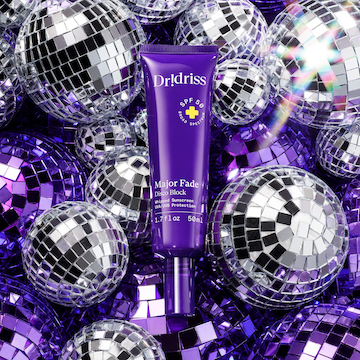
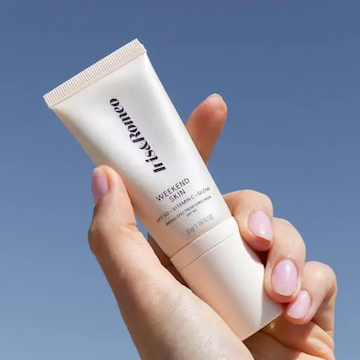
Sunscreen itself is essential. The Dr. Idris Major Fade Disco Block SPF 50 provides both protection and brightening through the use of hexylresorcinol. Those with oily skin may prefer the Kiehl's Better Screen SPF 50, which has a lighter finish. For individuals drawn to mineral sunscreens, Weekend Skin by Iris and Romeo offers a clean and minimal option suitable for daily wear.

At night, after retinol and serum are applied, the Active Seal works again as a final step. For added hydration, the Aveeno Calm & Restore Hydrating Serum can be layered underneath, or the Jordan Samuel Skin Thick Moisturizer can be added on top. In colder months, these extra layers make a noticeable difference.


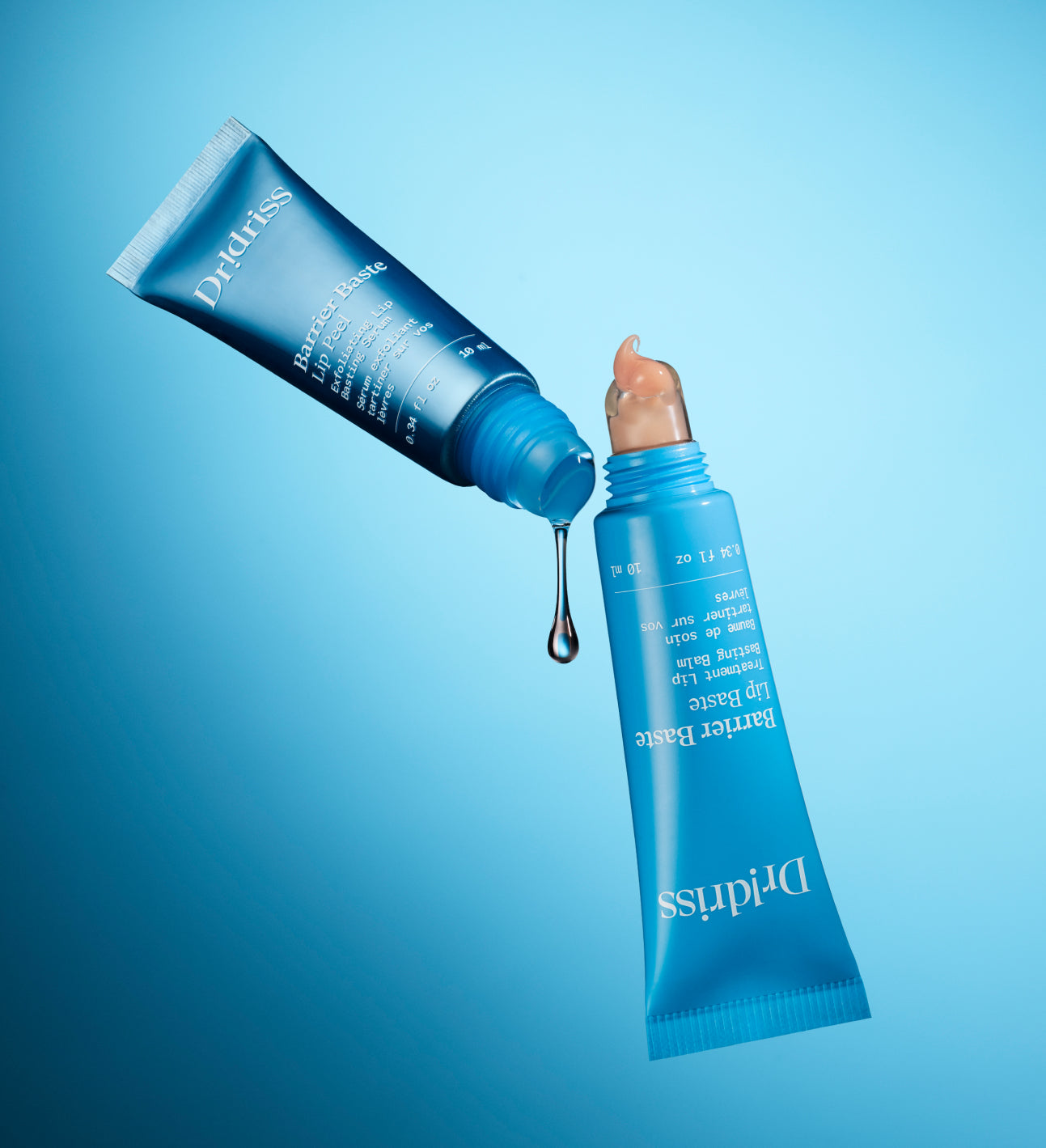
Lips are often neglected despite being one of the first areas to reflect seasonal changes. Dryness intensifies in mountain climates and temperate cities alike. A simple routine can prevent this. The Dr. Idris Lip Peel uses mandelic acid, gluconolactone, and glycerin to smooth the lips at night, followed by the Dr. Idris Lip Baste to lock in moisture. The idea is not indulgence but maintenance.
Smaller practices help protect the skin as temperatures drop. Applying a thick layer of zinc based diaper rash cream to the face at night, a process sometimes described as faceing, can help restore the barrier during periods of extreme dryness. A small facial mist made with glycerin and rose water offers instant relief during office hours and is easy to keep in a bag. Humidifiers are practical, and a mini version encourages frequent cleaning, which reduces buildup and bacteria.
Taken together, these steps form a reset that is calm, structured, and rooted in habit rather than trend. This is not about novelty or rapid change but about returning the skin to a balanced state after a season of excess. There is a quiet satisfaction in the routine itself. Each step carries the promise of a better morning, not through transformation but through consistency.
Autumn is a time of return. To cities, to offices, to familiar streets, and often to ourselves. A thoughtful routine mirrors that rhythm. It allows the skin to recover, to function well, and to move through the colder months with clarity.






A facelift is not a declaration of war on ageing. It is a decision to reset certain aspects of facial structure at a moment when the balance between skin quality, volume and bone support has shifted enough that topical care alone is no longer sufficient. It is not about freezing time. It is about choosing where to pause.