
Lip SPF Essentials
Sunscreen has become a daily ritual for many of us. Face formulas are part of the morning routine, body protection sits in beach bags and on bathroom counters, and the market is full of sophisticated textures designed to suit every preference. Yet there is one area that remains surprisingly overlooked. The lips, which are exposed to the sun as often as the rest of the face, receive far less attention. The result is a blind spot in the average person’s sun care practice that carries both cosmetic and medical consequences.
In dermatology clinics, lip concerns show up in two distinct ways. First, there are the visible signs of ageing that gather around the mouth over time. Vertical lip lines often appear as people grow older. They are sometimes known as smoker’s lines or barcode lines, though many people who develop them have never touched a cigarette. These lines form partly from repeated movements of the mouth, but sun-induced thinning of the skin plays a significant role in how early and how noticeably they emerge. Second, and more urgent, is the risk of skin cancer. Lips can develop different forms of skin cancer, including squamous cell carcinoma. When this develops on the lip, it can behave more aggressively than the same cancer found elsewhere on the body. The leading risk factor is cumulative ultraviolet exposure.
For all these reasons, a daily habit of lip SPF is as important as face sunscreen. The challenge, unfortunately, lies in the products themselves. Lip SPF is a category full of disappointments as many formulas taste strongly of sunscreen chemicals. Others apply chalky, cling to dry patches, or leave a noticeable white cast. Some melt, some vanish, some feel unpleasant enough that people avoid them entirely. Finding options that are both protective and pleasant to wear takes substantial trial and error.
After extensive testing and collecting feedback from communities online, a small group of products stands out. What follows is an editorial guide to these formulas. Each one meets some essential criteria. Protection sits at SPF 25 or higher. The texture must be wearable in daily life. The flavour must be neutral and free of obvious sunscreen taste. The finish must avoid chalkiness. The product must reapply easily. And ideally, it should be priced reasonably, since lip products have a habit of disappearing into coat pockets, car consoles, and the bottom corners of handbags.
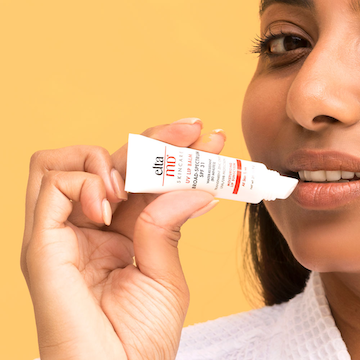
Among the formulas available, one that regularly earns attention is the EltaMD UV Lip Balm. This product takes a hybrid approach with both mineral and chemical filters. It combines octinoxate with seven percent zinc oxide. This makes it a rare option for people who prefer zinc oxide but still want a smooth, wearable finish. Straight from the tube it appears white, which may raise alarms for anyone who has tried mineral lip SPF before. Yet with a little practice it sheers out well and settles into a translucent layer rather than an opaque film. The mint scent gives it a fresh character without veering into strong flavour. Its water resistance rating of 80 minutes also gives it a functional advantage for outdoor activities. It is not necessarily the ultimate lip sunscreen, but it is reliable and easy to keep on hand. When found at the bottom of a bag, it is always welcomed.
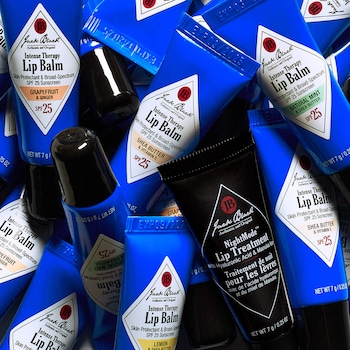
Another formula that has been part of many people’s routines for years is the Jack Black Intense Therapy Lip Balm SPF 25. Its SPF rating sits slightly below the ideal 30, yet the real world difference between SPF 25 and SPF 30 is minimal. What matters more is the combination of octinoxate and avobenzone, ingredients that offer broad spectrum protection, and the balm’s consistently pleasant wear. It is completely clear, which eliminates worries about tint or residue. It feels similar to classic petrolatum based ointments like CeraVe Healing Ointment, and includes lanolin, shea butter, and avocado oil for added nourishment. This positions it not just as a sunscreen but as a treatment balm. The variety of flavours also makes it accessible. Mint is a popular choice, though vanilla and mango are available for anyone who prefers a different profile. Importantly, it avoids the chemical aftertaste that makes many SPF lip products difficult to use. It is also priced under ten dollars, which is rare for a formula of this quality.
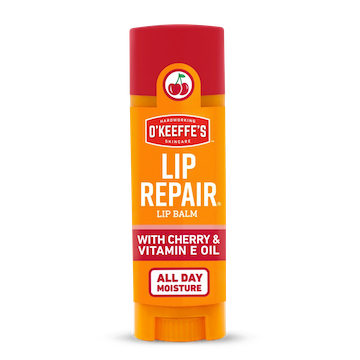
One of the most surprising discoveries in this category comes from a brand better known for heavy duty hand creams. O’Keeffe’s Lip Repair SPF 35 is an organic filter formula that breaks the typical pattern. Many organic sunscreen sticks and balms suffer from a strong chemical taste, yet this one manages to avoid any flavour at all. It applies completely clear and feels like a straightforward hydrating balm. With shea butter, beeswax, and other emollients, it offers both protection and comfort without unnecessary complication. It is the sort of product that fits easily into everyday routines. It works on hikes, in dry winter conditions, and on the ski slopes. It does not melt into a mess unless left in extreme heat. It is inexpensive, usually around three to four dollars a tube, and available in multipacks. This makes it ideal for scattering across bags, jackets, and travel kits. For those who take medications that increase sun sensitivity, this formula often becomes the recommended option simply because it avoids flavour issues while delivering dependable SPF.
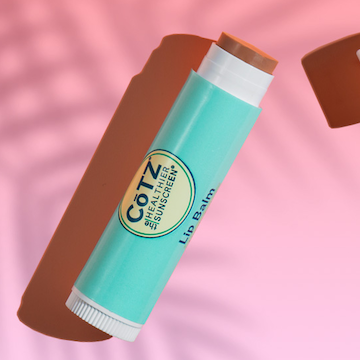
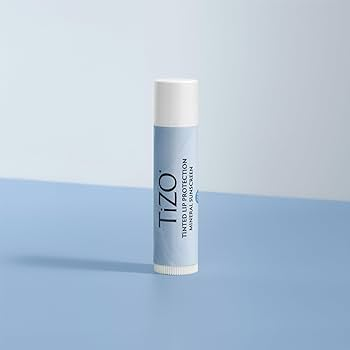
There are people who prefer to use only mineral filters. They avoid organic filters entirely, whether out of personal preference or sensitivity. Mineral lip SPF products often fall short due to the chalky effect of zinc oxide and titanium dioxide. Two formulas that manage to overcome this limitation are the CoTZ Lip Balm SPF 45 and the TiZO Tinted Lip Protection. The ingredients lists are nearly identical, and the experience of using them is similarly hard to distinguish. Both combine zinc oxide and titanium dioxide in a way that avoids the typical stark white cast. They achieve this through a soft tint that leans toward a muted brownish nude. This makes them more flattering, especially when layered over lipstick to slightly soften or neutralise the colour. Their SPF 45 rating and 80 minute water resistance make them strong choices for outdoor days. They remain somewhat niche mainly because of two issues. First, the tint may not suit all skin tones. Second, they contain ginger root extract, which creates a light tingling sensation that not everyone enjoys. A faint bitter note also appears for some users, although many people do not notice this at all. Still, for anyone committed to mineral filters only, these two options demonstrate that zinc and titanium can work in a comfortable, wearable format.

While balms dominate the lip SPF category, glosses and oils with sun protection also deserve recognition. These products bridge the space between skincare and makeup. They offer visible shine, a hint of colour, and broad spectrum protection without requiring a separate SPF step. The Colorescience Lip Shine Broad Spectrum SPF 35 sits at the centre of this niche. It functions like a classic gloss. It is slightly sticky, hydrating, and comes in several shades including a clear version. It works well on bare lips and adds a polished finish when paired with lip liner. It is the type of product that fits easily into a handbag for days when protection and appearance need equal attention. For those who prefer makeup that pulls double duty without feeling like makeup, it is a practical choice.

A newer entry in this space is the Brush On Block Protective Lip Oil Broad Spectrum SPF 32. Lip oils have become popular for their lightweight texture and comfortable wear, and this product brings SPF into that trend. It offers a soft wash of colour, a semi glossy finish, and a nourishing feel without heaviness. It carries a subtle citrus and vanilla scent that stays pleasant rather than overpowering. It can be applied on its own or layered over lip products. Its weightless texture means it works well in both warm and cool climates. For many people, it becomes the kind of product that stays in the purse simply because it is enjoyable to use.
Across these products, one message becomes clear. Lip SPF needs to be both protective and pleasurable. A formula that frustrates or tastes unpleasant will be used once and forgotten. A formula that applies smoothly, feels comfortable, and fits into daily movement will become part of a routine. As with any area of skincare, consistency matters far more than isolated effort. Protecting the lips is a long game. The benefits accumulate across years, not weeks.
Part of the challenge is cultural. Face sunscreen has become a staple through a combination of marketing, education, and the rise of skincare influencers. Lip SPF, by contrast, sits in a more ambiguous category. It is part makeup, part skincare, and often treated as an afterthought. Product development has lagged behind. Many brands have focused on lip balms and lip glosses without considering the importance of broad spectrum protection. The few brands that have invested in the category are often overshadowed by larger companies with stronger marketing budgets.
Yet the appetite is growing. Lip SPF aligns with a broader shift toward functional beauty. People increasingly seek products that deliver comfort, protection, and aesthetic ease in one step. At the same time, the wellness world continues to evolve toward habits that support long term health rather than short term results. Sunscreen habits fit neatly into this shift. The lips, small as they are, deserve the same attention.
The selection of products reviewed here offers a practical starting point. It spans hybrid formulas, organic only formulas, mineral only formulas, traditional balms, tinted options, glosses, and oils. Each one performs reliably across everyday conditions. No single product suits every person or every scenario, but together they represent a thoughtful cross-section of what the category can offer when executed well.
In daily life, carrying one dependable lip SPF is often enough. On longer days outdoors, reapplication becomes important. For many, this means keeping one product in each regular bag. A balm in a hiking bag, a gloss in a city tote, a mineral option for holidays, and an inexpensive favourite like the O’Keeffe’s formula for coat pockets or beach trips. The goal is not to build an elaborate wardrobe of products but to remove the friction that often stops people from applying SPF at all.
The market for lip SPF will likely continue to expand. There is room for brands to innovate with textures, filters, tints, and finishes that suit different preferences and skin tones. There is also room for better education around the role of lip protection in preventing both cosmetic ageing and more serious health conditions. Until then, these tested options offer a reliable way to close a gap in many people’s routines.
Protecting the lips is not glamorous work. It does not produce dramatic transformation or immediate visual change. Instead, it supports the quiet maintenance of skin health over time. In that sense, it mirrors the broader philosophy behind good skincare. Consistency, subtlety, and respect for the body’s natural functions remain more valuable than bold claims or quick fixes. A simple balm or gloss with SPF, used daily, contributes to that long view.
For anyone refining their routine or looking to strengthen their sun protection habits, adding a reliable lip SPF is a small but meaningful step. It supports comfort, aesthetics, and long term health with minimal effort. It also reflects a growing awareness that the details of skincare matter just as much as the broader gestures. In sun care, as in so many parts of personal maintenance, the overlooked areas often deserve the most attention.










A facelift is not a declaration of war on ageing. It is a decision to reset certain aspects of facial structure at a moment when the balance between skin quality, volume and bone support has shifted enough that topical care alone is no longer sufficient. It is not about freezing time. It is about choosing where to pause.