
The Hormone Rhythm
Hormones are often spoken about as abstract background forces, the sort of invisible systems that quietly regulate the body without drawing much attention. Yet for many people, the most visible evidence of hormonal change appears on the skin. Texture shifts, breakouts, dryness, pigmentation, and changes in elasticity all reflect internal fluctuations that track with age, fertility, pregnancy, and postpartum recovery. For some, these changes feel predictable. For others, they arrive without warning. What is consistent, however, is that hormonal stages influence the skin far more directly and more dramatically than most people realise.
This is a subject that often enters conversation only in fragments. A friend might mention a breakout that arrived unexpectedly at twenty-eight. Someone else may note a change in pigmentation during their first pregnancy. Others talk about postpartum dryness without recognising its physiological origin. What remains missing is a clear explanation of how these stages connect and why the skin responds as it does. Understanding the logic behind these shifts can be reassuring, especially during periods of major transition such as IVF or early motherhood.
To begin, it is useful to consider the decade that many assume should be the easiest: the twenties. The idea that teenage skin troubles vanish once adulthood begins is a persistent belief, yet the reality is different. Hormonal acne in the mid to late twenties is one of the most common concerns raised in dermatology clinics. Breakouts tend to appear along the jawline and chin, driven by fluctuations in androgens such as testosterone. These hormones can increase oil production, clog pores, and create a cycle of irritation that feels both unexpected and frustrating. For those trying to establish their careers, navigate relationships, and build a sense of confidence, the timing can feel particularly unwelcome.
Some individuals use birth control during this period, and that can shift the picture once again. Combination pills that include estrogen and progesterone sometimes help stabilise acne. At the same time, estrogen in these pills can trigger melasma in those who are prone to pigmentation. Progesterone only methods, including the mini pill, certain implants, and some IUDs, usually do not cause melasma but may worsen acne. The effect is not universal, but it is common enough that understanding the distinction helps in choosing a method that aligns with personal priorities and skin tendencies.
There are, however, reliable tools for managing this stage. Cleansers containing salicylic acid, benzoyl peroxide, or sulfur can keep pores clear and help regulate sebum. Azelaic acid stands out as a gentle, reliable option suited to nearly everyone, including those who are pregnant. It helps calm inflammation and reduce long term oil production. Retinoids are well known for refining texture, clearing clogged pores, and supporting early anti ageing measures, but they should be avoided by anyone who is planning a pregnancy. For those who are not trying to conceive, spironolactone can be transformative for hormonal acne, thanks to its ability to reduce the impact of androgens on oil glands. The key is to choose treatments with an understanding of one’s reproductive plans, since timing matters more than many expect.
The next stage, for a significant number of people, is not pregnancy itself but infertility treatment. IVF is typically spoken about in emotional and logistical terms, rarely in relation to its dermatological effects. Yet the medications used during IVF intentionally shift hormones to mimic different physiological states, and the skin responds accordingly.
The first category involves gonadotropin releasing hormone agonists and antagonists, such as Lupron or ganirelix. These medications suppress natural ovulation so that physicians can manage the cycle more precisely. The hormonal effect resembles a temporary mini menopause. Dryness, flushing, hot flashes, and increased sensitivity are common. For some, the emotional component feels just as amplified.
The second category includes gonadotropins such as FSH and LH analogues, including Menopur and Follistim. These stimulate the ovaries to produce multiple eggs and often produce a teenage style surge of oiliness. With increased oil comes the likelihood of breakouts, which can feel particularly discouraging during a period when the body is already under considerable strain.
The HCG trigger shot mimics the natural LH surge that permits eggs to mature fully before retrieval. This continues the oily, breakout prone phase. The progesterone that follows, whether delivered by injection, gel, or suppository, thickens and stabilises the uterine lining. The skin often becomes puffy and more prone to pigmentation during this time. Some recognise this as similar to the premenstrual luteal phase, where oiliness and breakouts tend to spike. Estrogen is also commonly used in IVF treatments through patches, pills, or suppositories. While some people welcome the temporary brightening effect of increased estrogen, many encounter melasma for the first time. Far from the idealised image of an early pregnancy glow, pigmentation can deepen quickly.
Across IVF as a whole, skin may shift between dryness and oiliness, between clarity and breakouts, and between uniform tone and noticeable pigmentation. Sensitivity becomes more common. Puffiness increases. Redness can appear without warning. The overall picture is one of unpredictability, which is understandable given that the hormonal landscape is shifting week by week.
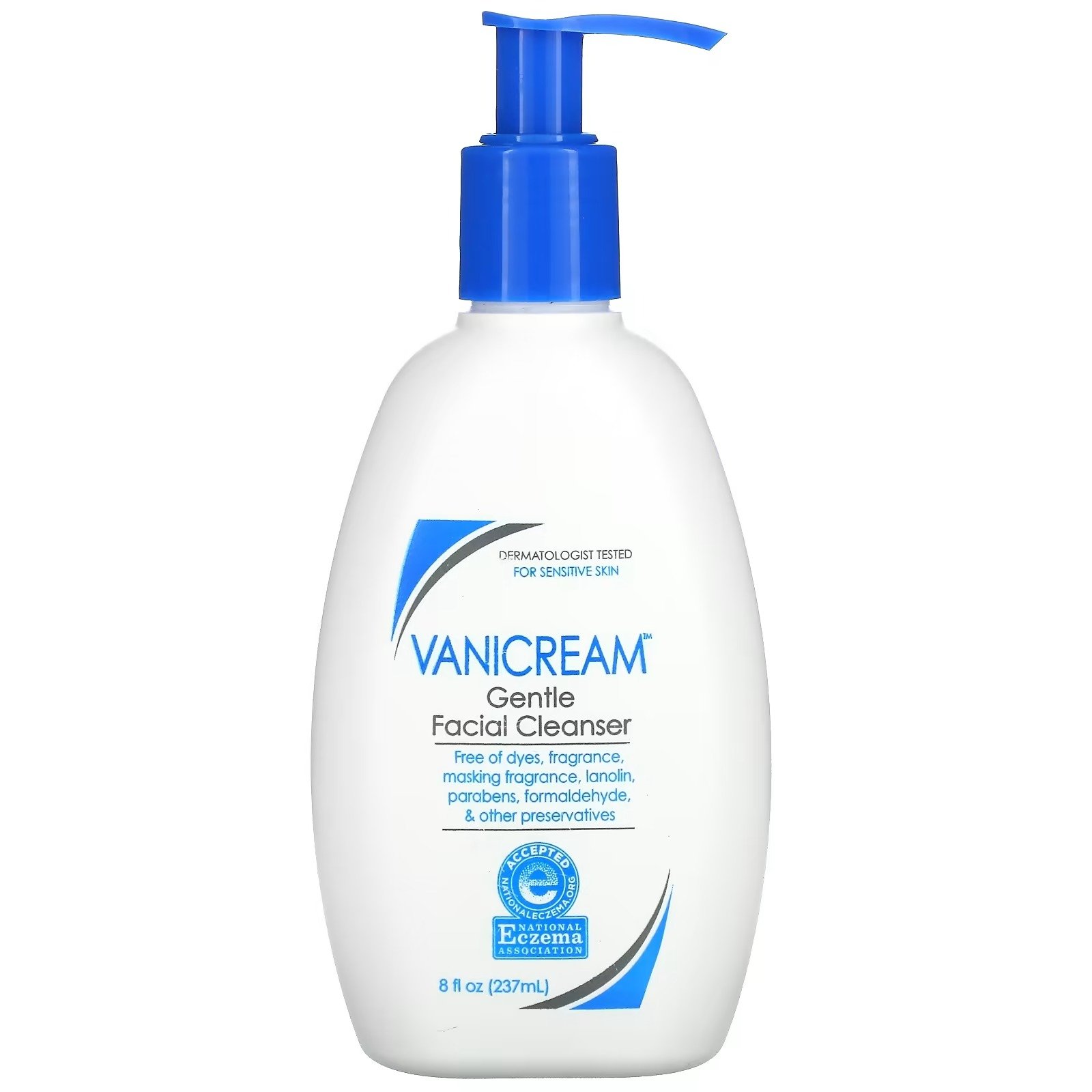
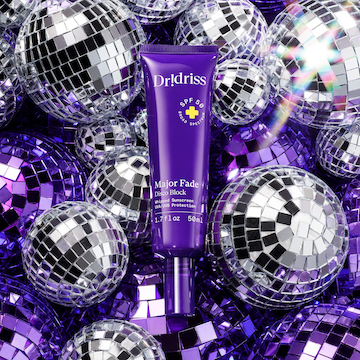
During this period, pregnancy safe skincare becomes essential. A non stripping cleanser is the most reliable starting point. Vanicream works well, while Dr. Idriss Softwash offers a gentle option that can even be used with eyes open. Azelaic acid remains useful for both acne and pigmentation. Niacinamide is safe and supportive. Sulfur can be used as a spot treatment during the oily phase, particularly around the nose or chin. Retinoids, high dose salicylic acid, hydroquinone, spironolactone, and minoxidil for the hair should all be avoided during IVF. Ceramide enriched moisturisers help restore comfort. Glycerin, a dependable humectant, supports hydration during the dry phases. Sunscreen becomes non negotiable for anyone prone to melasma. Mineral or chemical formulations are both acceptable. For pigmentation control specifically, the Dr. Idriss Major Fade Disco Block offers a helpful option.

Lifestyle considerations also matter. Hydration helps reduce puffiness. Excess salt can worsen water retention. Stress management and adequate sleep, while often dismissed as obvious, become meaningful contributors to skin stability during a process as demanding as IVF. In terms of in office treatments, aggressive peels, lasers, and resurfacing procedures should be postponed until IVF is complete, simply because the skin is more reactive and complications are harder to treat during this window.
If pregnancy follows, the journey continues with yet another shift. Pregnancy is one of the most hormonally active periods in a person’s life. Some experience a renewed wave of acne resembling adolescence. Others feel persistently dry and sensitive. On the body, the earliest changes appear as itchiness or dryness on the breasts and abdomen as the skin stretches.
In the second trimester, rising estrogen and increased blood flow create what many label a pregnancy glow. For some, this is accurate. For others, the combination of oiliness and deeper pigmentation produces a ruddy complexion rather than a luminous one. Melasma, which often appears on the cheeks, forehead, or upper lip, becomes especially prominent at this stage. On the body, the linea nigra, a dark vertical line on the abdomen, begins to appear. Though entirely harmless and destined to fade after birth, it can be surprising for those who are unfamiliar with it. Stretch marks may begin to form across the belly, hips, and breasts. Moisturisers with cocoa butter, shea butter, or other rich emollients help ease the tightness of stretching skin, although genetics and natural elasticity play the decisive role in whether stretch marks form.
As the third trimester begins, estrogen, progesterone, and cortisol reach their peak. Acne may return, reminiscent of premenstrual flares. Puffiness becomes more common. Some people experience broken capillaries. Stretch marks deepen in colour and may feel more noticeable. Itchiness increases. Some individuals develop a rash known as PUPPP, which presents as itchy plaques on the abdomen. Throughout this time, the linea nigra continues to darken.
Skincare during pregnancy must balance effectiveness with safety. For acne, azelaic acid, sulfur, and benzoyl peroxide are acceptable options. Retinoids and high strength salicylic acid should be avoided, though low strength spot treatments are fine. For melasma, over the counter ingredients such as kojic acid, arbutin, glycolic acid, tranexamic acid, lactic acid, and vitamin C can all help, although hydroquinone should be avoided. Sunscreen remains essential. Mineral formulations are particularly suitable for those with sensitive skin. In office treatments should be postponed, not because they are inherently dangerous during pregnancy, but because treating complications becomes more complex.
What happens after birth is perhaps the least discussed stage of all. The postpartum period involves one of the most dramatic hormonal drops in human physiology. Within 24 to 72 hours after delivery, estrogen and progesterone fall by approximately 95 percent. The effect resembles a sudden entry into menopause, which explains the emotional volatility and physical sensitivity common during the fourth trimester.
The skin reflects this shift. Dryness becomes pronounced, since low estrogen reduces the skin’s ability to hold hydration and maintain collagen. Breakouts may return as progesterone and androgens fluctuate. Hair shedding is nearly universal during the three to six month window, a normal process known as telogen effluvium. The postpartum months can feel unfamiliar, even disorienting, as the body recalibrates.
Breastfeeding prolongs many of these changes. High prolactin keeps estrogen low, effectively extending a mini menopause. Dryness, itching, and sensitivity become more noticeable. Some also experience vaginal dryness or thinning. When breastfeeding ends, estrogen begins to rise again, and the skin gradually returns to its pre pregnancy balance. During this transition, a temporary wave of acne is common as oil production increases again. Dryness gives way to oiliness and breakouts, completing the cycle that began months earlier.
Supporting the skin during postpartum recovery requires a focus on moisture. Fine hydration mists with glycerin help revive the skin throughout the day. Lightweight essences such as SK II provide an initial layer of hydration. Serums designed to support the skin barrier, including glycerin rich options like Aveeno’s Calm and Restore, help reinforce comfort. Thicker creams, ointments, or even petroleum jelly can be used to seal moisture overnight. Gentle exfoliation can brighten dull skin, and polyhydroxy acids or lactic acid are well tolerated during sensitive phases. As always, lifestyle plays a quiet but meaningful role. Consistent sleep can be difficult, but maintaining a regular rhythm where possible helps stabilise the nervous system as well as the skin. Emotional support during this time is crucial, not only for mental wellbeing but because stress often manifests physically, including through breakouts and increased sensitivity.


Understanding the logic behind each phase can reduce anxiety, create realistic expectations, and help people choose products and treatments that support rather than disrupt the skin during vulnerable periods. It also highlights a broader truth. Hormonal changes are not unpredictable intrusions but meaningful physiological processes. With clarity, planning, and practical routines, they can be navigated with more confidence and a sense of informed calm.







A facelift is not a declaration of war on ageing. It is a decision to reset certain aspects of facial structure at a moment when the balance between skin quality, volume and bone support has shifted enough that topical care alone is no longer sufficient. It is not about freezing time. It is about choosing where to pause.